


More Than a Detail: When Trims Become the Design
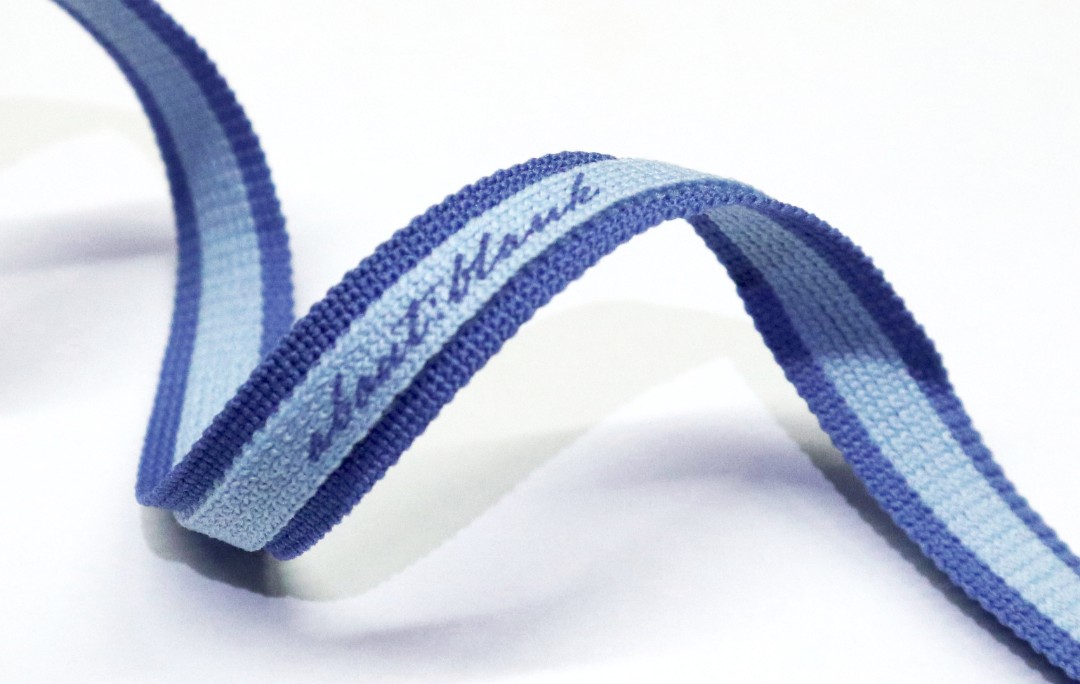
The best trims on a garment have always gone unnoticed. That expectation is now reversed — trims have become a defining part of the design. Designers are asking the smallest components — buttons, zips, labels and tapes — to carry meaning and product identity, while frameworks such as the EU's Digital Product Passport will require brands to document the materials in every component, trims included. Details, in short, are becoming visible by design and by requirement.
Building expression into function
The clearest sign of this shift: visual character is no longer applied to components; it is built into them.
Across tapes, patches and labels, once-decorative techniques — embroidery, three-dimensional wave construction, raised finishes — are being worked directly into functional components. Raised surfaces catch light in movement; detailed stitching provides craft-like softness. An elastic jacquard tape, for example, delivers stretch and support while carrying texture and depth in the weave itself.
These distinctions carry commercial weight. Expression woven into a component is inseparable from it, holding its definition through wear. Details that endure signal craftsmanship — and details encountered repeatedly become part of how a brand is recognized. In premium segments, the trim is where perceived quality is confirmed.
Rethinking familiar forms with bio-based materials
Material innovation is often imagined as something unfamiliar. Just as often, it begins with familiar components.
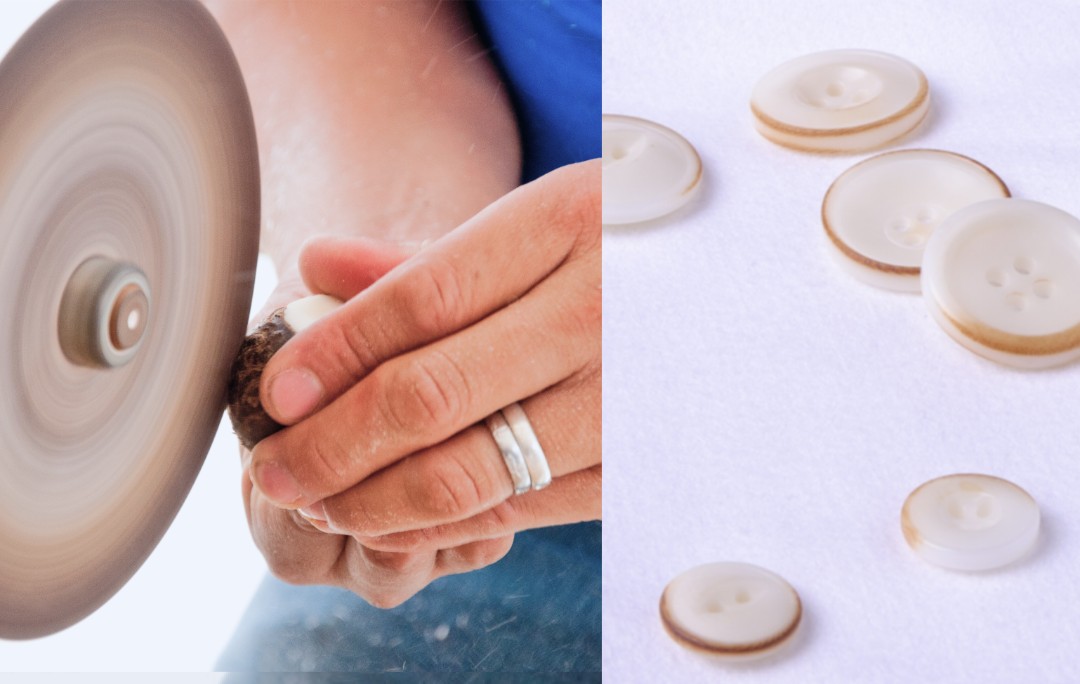
Natural and bio-based materials are returning to trims as an aesthetic proposition of their own right. Where conventional components pursue uniform perfection, natural materials bring warmth, grain and subtle variation — qualities now deliberately drawn back in. Corozo, from palm seeds, is a case in point: its surface can be deepened with a burned-edge finish, so no two buttons repeat exactly. Imperfection becomes the appeal, not a defect.
Such choices also complete a brand's sustainability story. Material credentials have traditionally been built at the fabric level; extending them to trims brings coherence to the garment as component-level transparency becomes standard.
Designing sustainability, aesthetics and performance together
All these expressions depend on endurance. Durability remains non-negotiable: a trim must withstand manufacturing, wear and washing while keeping its appearance and function.
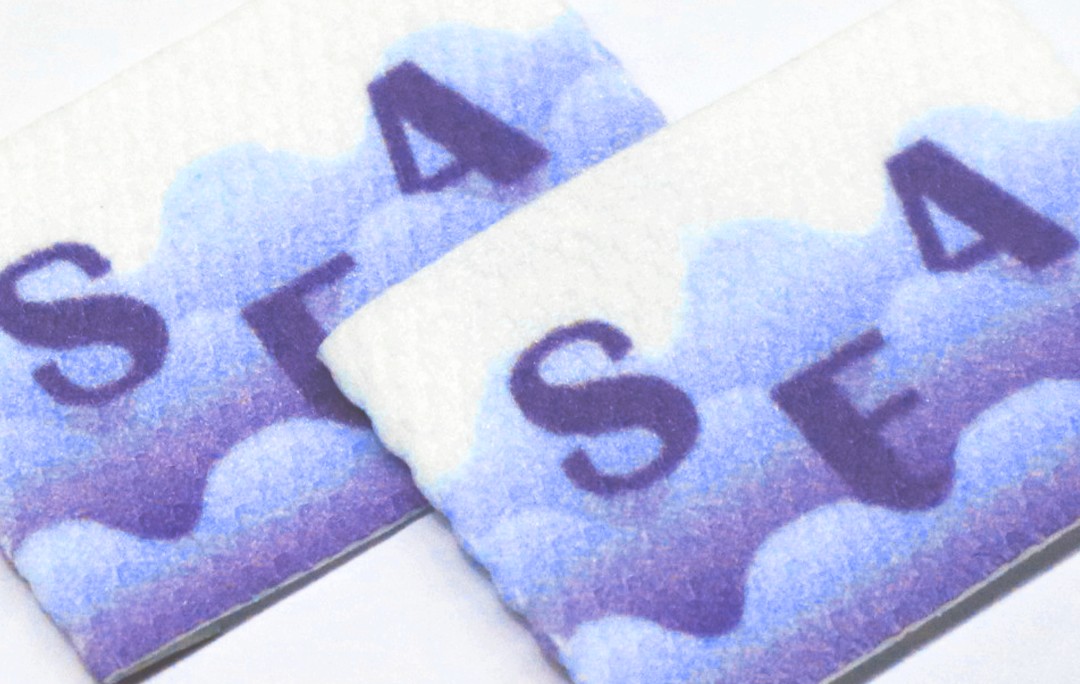
For years, responsible materials were assumed to involve compromise. A new generation of partially bio-based fibers — Sorona among them — is quietly reversing that assumption, replacing part of their fossil-based content with plant-derived inputs while performing where trims are most demanding. Where components meet the skin — labels, waistbands, tapes — they offer a softer hand-feel. And they hold their shape: a trim that shrinks at a different rate from the garment distorts seams and edges; one that stays stable protects the whole garment’s appearance.
Sustainability, in this sense, arrives not as a trade-off but as a quality upgrade — part of how a component is developed, documented and experienced.
The future of trims will emerge less through one dramatic breakthrough than through integrated development — where material responsibility, visual expression and technical performance reinforce one another, and the smallest details do the most deliberate work.